
This FAQ blog answers common questions about safety and ergonomics related to Adult Family Homes. Browse the questions below to quickly find the information you need.
Safety
- How often should water temperature be checked in an adult family home?
- Hot water temperatures must be maintained between 105°F and 120°F to prevent burns and ensure resident safety. Water temperature should be checked routinely using a thermometer, with best practice being monthly checks. This requirement is outlined in WAC 388-76-10750.
- What are the safety requirements for space heaters in the home?
- If space heaters are used, they must meet safety standards outlined in WAC 388-76-10825. Heaters must be certified by a nationally recognized testing laboratory and must not block exits or escape routes. Any heating equipment that becomes hot to the touch must have a stable, flame-resistant barrier to prevent burns or contact with flammable materials. Following these requirements helps reduce fire risk and protect residents and staff.
- What steps should caregivers take to prevent medication safety risks?
- Medications should always be stored securely and kept in their original labeled containers. Caregivers should follow medication administration procedures and document accurately. Safe medication practices protect residents from accidental misuse or harm.
- Why is maintaining clear pathways and uncluttered spaces important?
- Cluttered hallways or rooms increase the risk of falls for residents and caregivers. Clear pathways allow residents to move safely with mobility aids such as walkers or wheelchairs. Keeping floors dry and free of hazards helps prevent accidents. Maintaining a safe physical environment is a core responsibility of adult family home staff.
- What should caregivers do if they identify a safety hazard in the home?
- Caregivers should report safety concerns immediately to the provider or resident manager. Hazards such as broken equipment, poor lighting, or unsafe flooring should be corrected as soon as possible. Prompt reporting helps prevent injuries and supports compliance with safety requirements. Maintaining a safe environment is a shared responsibility of all staff.
- Why must a qualified caregiver always be present in an adult family home?
- Adult family homes must ensure a trained caregiver is present whenever residents are in the home. This ensures residents receive timely assistance and support during emergencies. Caregivers must also know what actions to take if a resident needs help or if an emergency occurs. Having trained staff present helps maintain resident safety at all times.
Ergonomics
- Why is proper body mechanics important for caregivers in an adult family home?
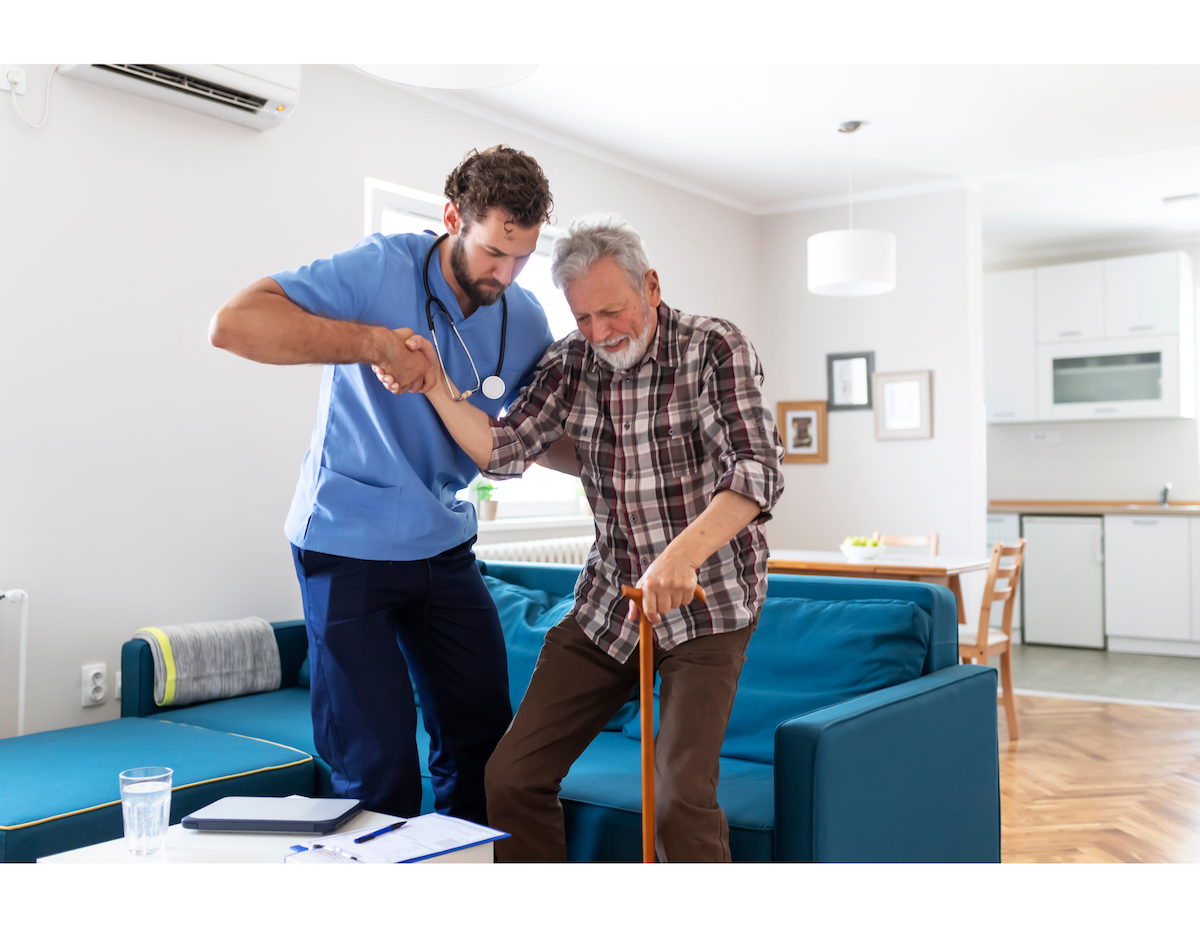
- Proper body mechanics protect caregivers from injuries such as strains or back injuries when assisting residents with mobility. Caregivers should keep the resident close to their body, bend at the knees instead of the waist, and avoid twisting while lifting. Using proper techniques helps protect both the caregiver and resident from falls or injury. Safe practices also support the home’s responsibility to maintain a safe care environment.
- When should a caregiver ask for help when transferring or repositioning a resident?
- Caregivers should ask for assistance whenever a resident requires more support than one person can safely provide. This includes residents who are heavy, unstable, or unable to assist with transfers. Asking for help reduces the risk of caregiver injury and resident falls. Safe handling practices are an important part of caregiver safety training requirements.
- What are safe practices when transferring a resident from bed to chair?
- Before transferring a resident, caregivers should ensure the environment is safe by locking wheelchair brakes and clearing obstacles. They should communicate clearly with the resident and use assistive devices such as gait belts when appropriate. Caregivers should maintain a wide base of support and use leg muscles instead of their back. These steps reduce the risk of injury for both the caregiver and resident.
- Why are assistive devices important for caregiver ergonomics?
- Assistive devices such as gait belts, slide boards, and mechanical lifts reduce physical strain on caregivers. They also allow residents to move more safely and comfortably. Using the correct equipment can prevent musculoskeletal injuries, which are common in long-term care settings. Following proper transfer techniques helps maintain a safe workplace.
- How should caregivers prepare the environment before assisting with mobility or transfers?
- Caregivers should remove tripping hazards, ensure adequate lighting, and make sure needed equipment is nearby. Wheelchairs or walkers should be positioned correctly and secured before the transfer begins. Preparing the environment reduces the likelihood of falls or rushed movements that can lead to injury. Planning ahead is a key safety practice in resident care.
- Why should caregivers follow each resident’s negotiated care plan when assisting with movement?
- Each resident’s care plan outlines their physical abilities, limitations, and the safest way to provide assistance. Following the care plan helps caregivers use the correct transfer technique and equipment. This reduces risk of injury and ensures care is tailored to the resident’s needs. Caregivers are required to understand resident care plans as part of their role in an adult family home.
This blog is part of the Adult Family Home Industry Worker Safety Awareness Training Program created by the Adult Family Home Council, Long-Term Care Foundation of Washington State and PIM Savvy. Program funding and support for this project has been provided by the state of Washington, Department of Labor & Industries, Safety & Health Investment Projects.