
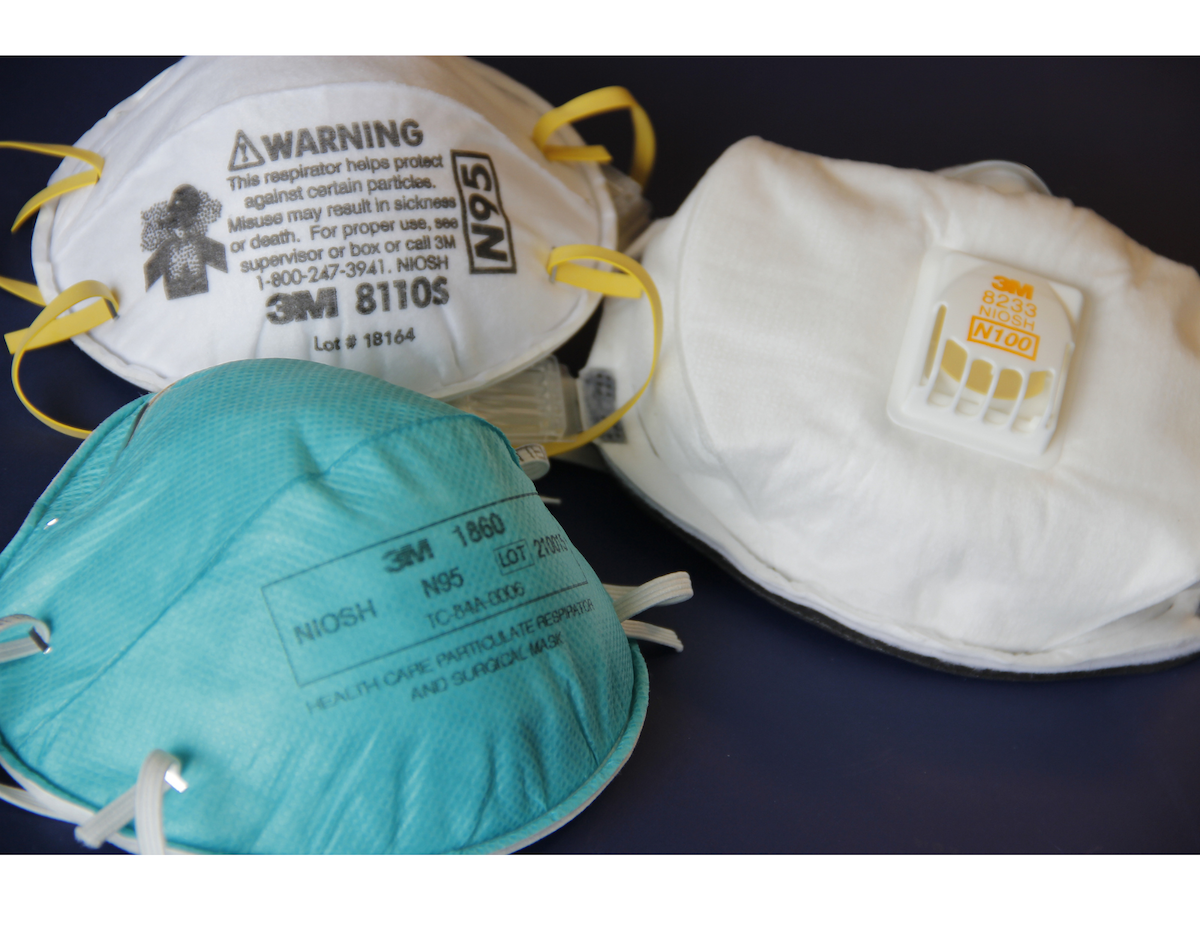
This FAQ blog answers common questions about fit testing, respiratory infections/viruses, and respiratory protection related to Adult Family Homes. Browse the questions below to quickly find the information you need.
Fit testing
- What is a fit test?
- A fit test is a test protocol conducted to verify that a respirator is both comfortable and provides the user with the expected protection.
Washington State requires employers to provide and document fit testing for all tightfitting respirators before initial use, at least annually, and whenever conditions change.
- A fit test is a test protocol conducted to verify that a respirator is both comfortable and provides the user with the expected protection.
- How often does fit testing need to be done?
- Washington State requires an annual fit test to confirm the fit of any respirator that forms a tight seal to a worker’s face before they use it in the workplace.
- Is fit testing required annually for N95 respirators?
- Yes. Workers who are required to wear N95 respirators must complete fit testing at least annually to ensure proper protection. This requirement is outlined in Washington Administrative Code (WAC) 296-842. The Department of Health (DOH) also provides guidance and resources to support compliance.
- Who can conduct a fit test?
- There are companies and organizations that provide annual fit testing. Each Adult Family Home may choose which company or organization they want to conduct the fit tests as long as DOSH regulations are followed.
L&I’s DOSH regulates respirator programs for businesses in Washington State. For additional guidance or questions, contact DOSH Consultation.
- There are companies and organizations that provide annual fit testing. Each Adult Family Home may choose which company or organization they want to conduct the fit tests as long as DOSH regulations are followed.
- Can fit testing be completed in an adult family home?
- Yes. Fit testing can be completed within the home setting if proper procedures and trained personnel are in place. Resources and training for qualitative fit testing are available through the Healthier Washington Collaboration Portal. These tools can help providers meet requirements while maintaining flexibility in how testing is conducted.
Respiratory infections/viruses and Protection
- What is a respiratory virus?
- A respiratory virus is a virus that infects the nose, throat, respiratory tract, and lungs.
- What are common respiratory infections found in Adult Family Homes?
- COVID-19, influenza, and Respiratory Syncytial Virus (RSV) are common respiratory infections found in Adult Family Homes.
- What are the best ways to prevent respiratory infections in Adult Family Homes?
- The best way to prevent respiratory infections in Adult Family Homes is to stay up to date with immunizations, practice good hygiene, take steps for cleaner air, use precautions to prevent spread when a worker or resident has a respiratory virus, and to seek health care promptly for testing and/or treatment if a worker or resident has risk factors for severe illness.
- If a resident has a respiratory infection, what precautions should be taken?
- If a resident has or is suspected of having a respiratory infection, they should be isolated and tested. Anyone with even mild symptoms of COVID-19, regardless of vaccination status, should receive a viral test for SARS-CoV-2 as soon as possible.
In addition, the adult family home should implement DROPLET PRECAUTIONS which includes placing infected residents in private rooms, requiring all staff members to wear a surgical mask when working within three feet of the resident, etc.
- If a resident has or is suspected of having a respiratory infection, they should be isolated and tested. Anyone with even mild symptoms of COVID-19, regardless of vaccination status, should receive a viral test for SARS-CoV-2 as soon as possible.
- If a staff member has a respiratory infection, what precautions should be taken?
- If an Adult Family Home staff member has symptoms of a respiratory illness, they should avoid coming to work to minimize the risk of transmitting the illness to residents and other staff members.
If an Adult Family Home staff member tests positive for a respiratory infection, they need to stay at home and wait until their symptoms have subsided before returning to work. Employees diagnosed with the flu or presumed to have the flu can return to work when they have been without fever for 24 hours (without use of fever-reducing medication). Those with ongoing respiratory symptoms should be evaluated to determine if they should be in contact with residents and other staff members.
- If an Adult Family Home staff member has symptoms of a respiratory illness, they should avoid coming to work to minimize the risk of transmitting the illness to residents and other staff members.
This blog is part of the Adult Family Home Industry Worker Safety Awareness Training Program created by the Adult Family Home Council, Long-Term Care Foundation of Washington State and PIM Savvy. Program funding and support for this project has been provided by the state of Washington, Department of Labor & Industries, Safety & Health Investment Projects.