
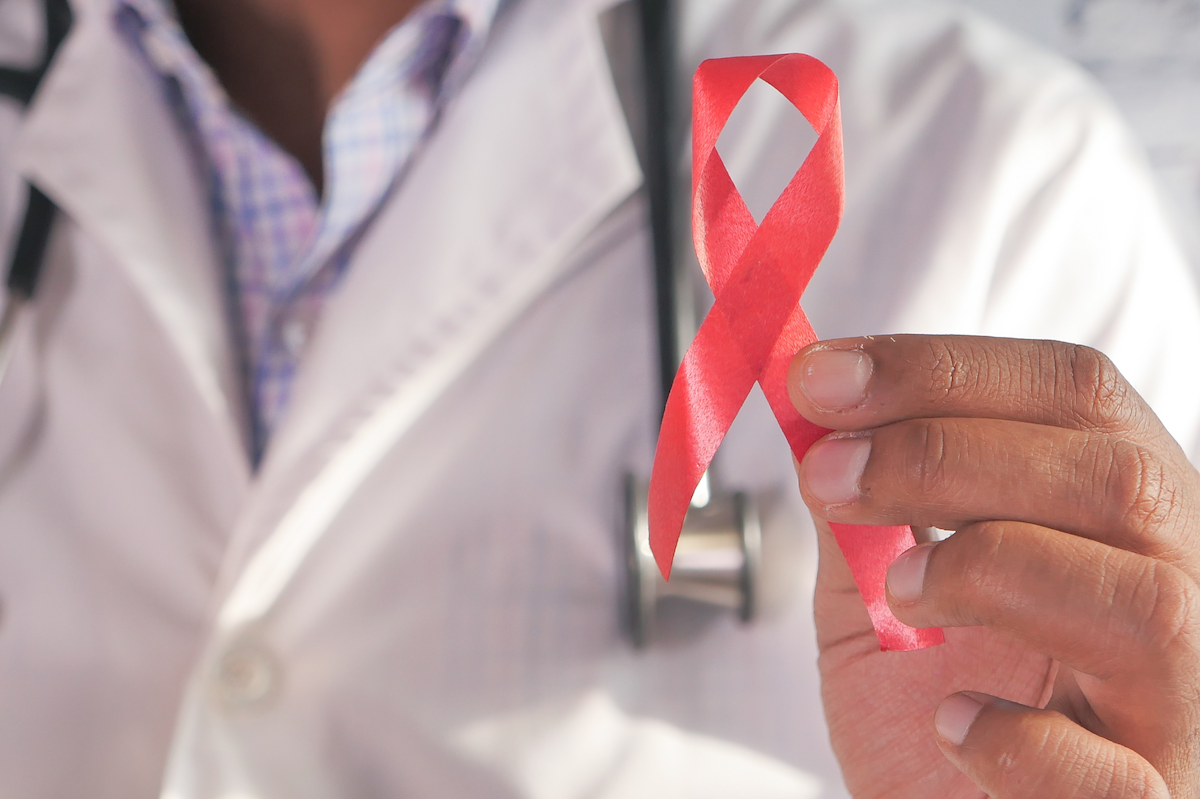
Human Immunodeficiency Virus (HIV) is a virus that attacks cells that help the body fight infection. There’s no cure, but HIV is treatable with medicine. Without treatment, HIV can lead to AIDS (Acquired Immunodeficiency Syndrome). Adult family home owners and staff members need to be aware of the Human Immunodeficiency Virus in order to minimize exposure risks and provide proper care to residents living with the infection.
Transmission
HIV is transmitted by coming into direct contact with certain body fluids (blood, semen (cum) and pre-seminal fluid (pre-cum), rectal fluids, vaginal fluids and breast milk) from a person with HIV who has a detectable viral load.
For transmission to occur, the HIV in these fluids must get into the bloodstream of an HIV-negative person through a mucous membrane (found in the rectum, vagina, mouth, or tip of the penis), through open cuts or sores, or by direct injection (from a needle or syringe).
HIV is not spread by air, water, mosquitoes, ticks, or other insects, saliva, tears, sweat, feces, or urine that is not mixed with the blood of a person with HIV, shaking hands, hugging, sharing toilets, sharing dishes, silverware, or drinking glasses, engaging in closed-mouth or “social” kissing with a person with HIV, drinking fountains, other sexual activities that don’t involve the exchange of body fluids (for example, touching), or donating blood.
HIV can’t be passed through healthy, unbroken skin.
Symptoms
Human Immunodeficiency Virus causes flu-like symptoms within 2 to 4 weeks after infection. Symptoms may last for a few days or several weeks. Some people have no symptoms at all. HIV can only be confirmed through testing.
AIDS
Most people infected with HIV can develop AIDS within 10-12 years if not treated early with antiretroviral drugs. AIDS is the most advanced stage of HIV infection. If a person has HIV and is not on HIV treatment, the virus will weaken the body’s immune system, and the person will progress to AIDS.
AIDS-related symptoms include Tuberculosis (TB), skin tumors, weight loss, mental impairment and many others.
Without HIV treatment, people with AIDS typically survive for about three years.
Treatment
HIV is treatable. Anti-Retroviral Therapy (ART) reduces the amount of HIV in the blood (viral load), but it doesn’t cure HIV.
Treatment can lead to viral suppression and result in a viral load so low that it referred to an “undetectable viral load.”
When people living with HIV achieve and maintain an undetectable viral load, they cannot sexually transmit the virus to others.
PPE
Person protective equipment (PPE) for HIV and other bloodborne pathogens include:
- Gloves
- Eye/face protection
- Face shields or masks
- Protective clothing (gown)
- Resuscitation devices
Proper PPE should be worn whenever a staff member has contact with blood, “Other Potentially Infectious Material” OPIM, mucous membranes or non-intact skin, draws blood, inserts an IV or other vascular access procedures, or handles/touches items or surfaces contaminated with blood or OPIM. In addition, if splashes, sprays or spatters of blood or OPIM to the face, skin or regular clothes could occur, adult family home staff members are required to wear protective clothing, eye protection and face protection.
Exposure
If an adult family home staff member is exposed to blood or OPIM, they should remove all contaminated clothing and follow this Centers for Disease Control and Prevention (CDC) treatment procedure.
- Wash needlesticks, cuts, and skin with soap and water.
- Flush splashes to the nose and mouth with water.
- Irrigate eyes with clean water, saline, or a sterile irrigant.
- Report exposure incident to a supervisor.
- Schedule visit to doctor as soon as possible.
Additionally, if an adult family staff member is exposed to HIV, they must start PEP (Post-Exposure Prophylaxis) treatment within 24 hours and no later than 72 hours after exposure.
PEP can reduce the likelihood of contracting HIV. The sooner the exposed person starts PEP, the better. Every hour counts!
For more information about bloodborne pathogen prevention, exposure and risk factors, review this Washington State Department of Labor & Industries Bloodborne Pathogens Training.
This blog is part of the Adult Family Home Industry Worker Safety Awareness Training Program created by the Adult Family Home Council, Long-Term Care Foundation of Washington State and PIM Savvy. Program funding and support for this project has been provided by the state of Washington, Department of Labor & Industries, Safety & Health Investment Projects.
Resources
About HIV | CDC
HIV and AIDS Resources | HIV.gov
Occupational Exposure to Bloodborne Pathogens | Chapter 296-823 WAC
Blood and Body Fluid Exposure | CDC
Bloodborne Infectious Disease Risk Factors | CDC
Bloodborne pathogens | OSHA
Bloodborne Pathogens Training | WISHA, L&I